Preseason Report: Everything You Need to Know About the New Regulations
As the 2026 F1 season approaches, it is out with the old and in with the new: we are leaving the ground effect era and entering a new stage of active aero, reduced downforce, and sustainability. There’s been a lot of talk about the new technology and regulations coming this year, so here’s everything you need to know before the season kicks off this March in Australia.
From 2020 to 2025, the “ground effect era” of Formula 1 was in full force. During this design phase, the car design focused on high speed corners and downwardly directed airflow. This year, however, the cars will combine fresh physical alterations and a multitude of new driving modes to prioritize aerodynamics and the engines. A few aspects about the 2026 cars are very similar to the machines from the ground effect era, only with a few tweaks. The first focus of the changes is to make the cars narrower and move the front wheels closer to the back wheels using smaller wheelbases. F1 fans have already said their farewells to the beloved drag reduction system (DRS), as in 2026 the front and back wings will have moveable flaps called “active aero” instead. The reasoning for this change is to balance drag and downforce, making the cars faster and more efficient on all parts of the track. The new car design will keep the same hybrid power unit but aim to maximize power, as well as remove the heat recovery system.
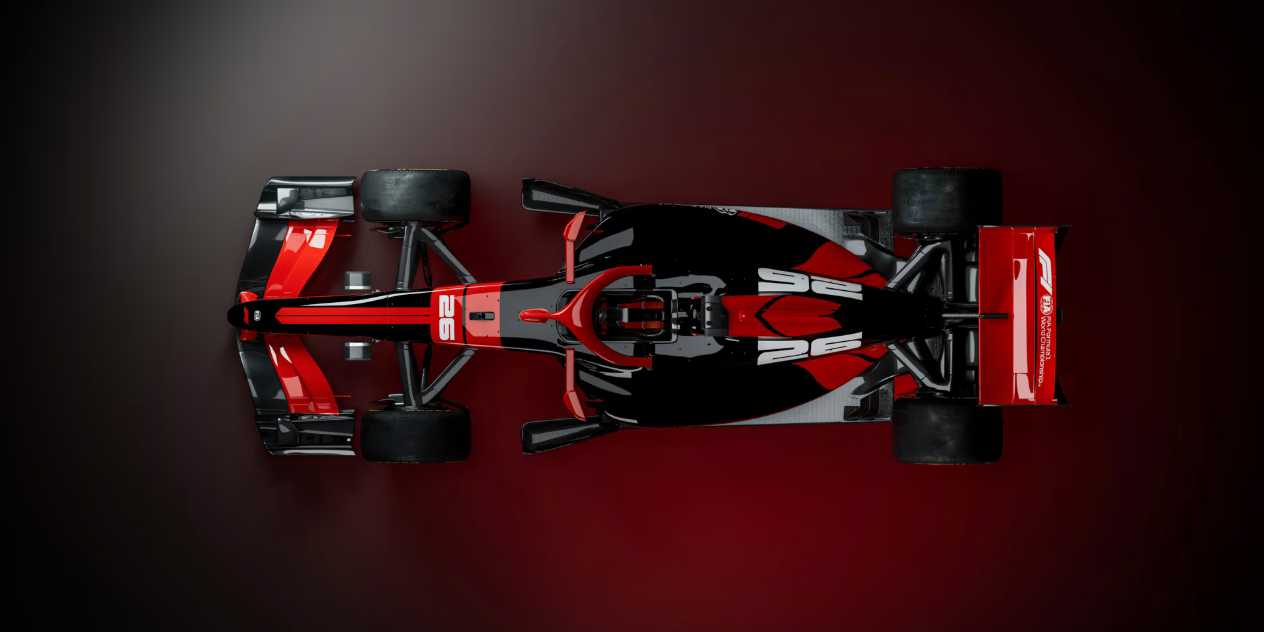
Here’s what next year’s car might look like! Photo courtesy of F1.
Beside these edited features of previous eras, there are also many new machinery pieces and technological modes for the drivers to use throughout the races. There are a few new safety features, including strengthened reinforcements on the front and sides of the chassis and lights have been added to the side mirrors, presumably to help drivers during night events. Since Formula 1 has exited the ground effect era, ground effect tunnels are also on their way out, being replaced by flatter floors and longer diffusers to control air flow and reduce downforce. To contribute to the F1 Net Zero 2030 campaign, the sport has switched from fossil fuels to sustainable fuels for every F1 car on the grid. The three new mode updates are boosts, overtake mode, and recharging. The boost feature gives the maximum power available on demand for the drivers to use whenever they want, whether overtaking or not. Overtake mode, on the other hand, is similar to DRS as it gives the driver extra power at top speed when within 1 second of the car in front. Lastly, the recharge controls regulate the car’s electrical energy throughout the events.
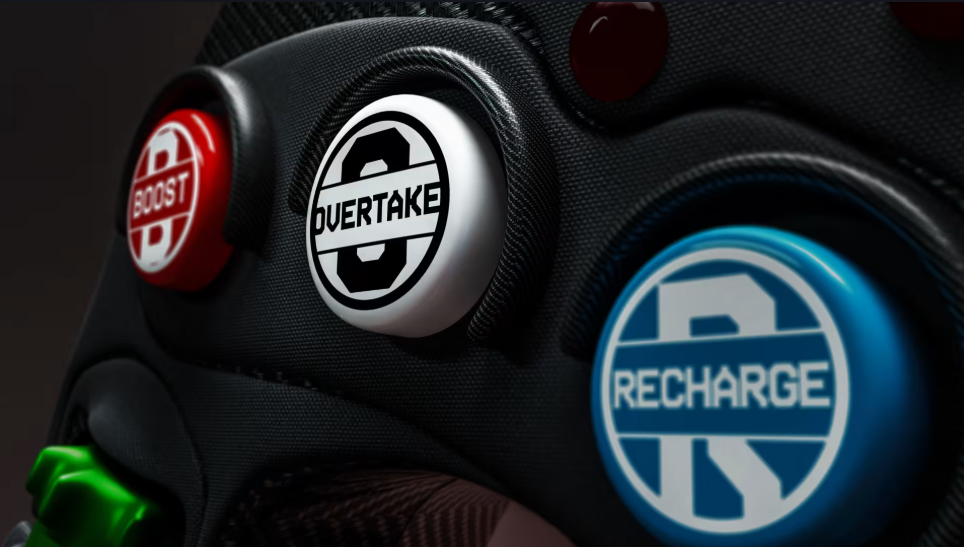
These brightly colored buttons trigger the new modes that drivers can use to their advantage. Photo courtesy of F1.
As the car launches approach, these regulations will be much easier to visualize and understand, starting on January 15 with Red Bull and Racing Bulls’ livery launches. Because of these unfamiliar regulations and the entry of newly organized teams Cadillac and Audi, the whole field will likely be shaken up, and nobody has any clue how next season will pan out. Some teams, like Ferrari, are testing one version of their car privately (such as speed, drag, and other forces) and then testing another version of the car in Bahrain in preseason that will focus more on overall performance and the new technology. This could be a clever strategy, and I cannot wait to see how the season starts. As always, thank you so much for reading, and I hope you are as excited for the upcoming season as I am!
Lights out and away we go,
Lucy xx
