Hot Take: Stick To Your Old Power Unit!
After the first three races of the season, it is easy to see what the main issue is with the new regulations: power. This uneasy imbalance between harvesting and spending energy is what separates the winners from the drivers who crash, and a power supplier can make or break a team’s success, especially this early on in the season. Let’s analyze who is starting with the strongest power supply this season, and who may be left in the dust.
Formula 1 has been using hybrid power units since 2014, which offer a greater availability of speed to each car compared to a typical petrol power unit. Because the hybrid PU’s are not new, some of the teams who have been in the sport longer, with established power unit providers, have had an advantage over the newer teams and those sourcing from new PU providers.
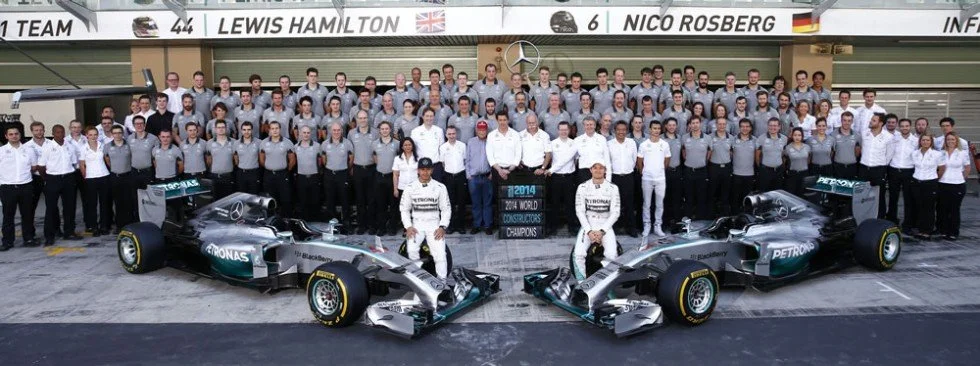
Mercedes seems to have success with hybrid power units, considering they won the world championship in 2014 with one! Photo courtesy of e|Mercedes Benz.
Mercedes, the current frontrunner, seems to be the 2026 Constructors’ favorite, and their strong relationship with their internal power supplier may be a reason for that. Mercedes bought Brawn F1 team after their only year on the grid, signaling the switch to Mercedes engines in 2010. Their success so far supports the idea that matching team sponsors and power suppliers seem to work well, as they have won 122 races since they started supplying their own power units. This idea is also exemplified by Scuderia Ferrari, who are currently running P2 in the championship and have supplied their own power units since 1950 when the official F1 world championship began. They too have performed well using their own parts, with 247 total wins since the partnership started.
However, fortunately for the rest of the field, these power units are available, with many teams making the choice to source their power from Mercedes and Ferrari, including the rest of the top 5 teams in current constructors standings! Last year’s champion constructor McLaren is making progress again this year with their Mercedes hybrid engine, their 6th year using the German team’s parts for their car. Right now they are in 3rd place, followed by Haas F1 Team who has been using Ferrari horsepower since 2016. The last team in the top five, however, is a bit of a wild card. Alpine switched from their roots with Renault to hop onto the Mercedes train in 2026, and so far they have found prosperity on that path. It was definitely a controversial change, but for now seems to be benefiting Alpine with a better season so far than many fans expected or predicted.
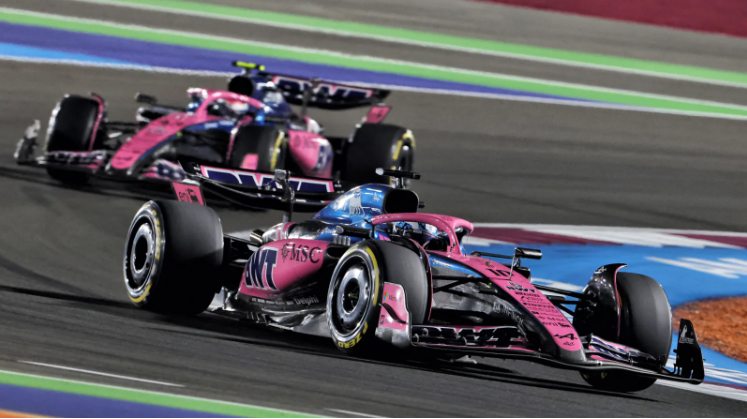
Alpine have been performing better than Red Bull, to many Verstappen fans’ dismay. Photo courtesy of Motorsport Week.
Other teams, however, are having a bit more trouble. Red Bull, a fan favorite team, is not performing to their usual standard so far this year, and this may be because it is their first season with a new power unit provider, Ford. Williams is currently sitting in P9, and even though they’ve been using Mercedes power units since 2014, they haven’t scored a single win with them. This failure, however, can also be blamed on other faulty parts, and weight issues in particular, as well as an overall rocky trend for Williams’ most recent seasons. Cadillac sits in 10th, and being a new team, power unit problems are only one of many challenges they face their first year on the grid. The Cadillac team uses Ferrari engines, until the end of the 2028 season when they will transition to General Motors-built power units. In last place is Aston Martin, a team in their first year of power partnership with Honda, which according to press accounts effectively ended their power unit production program following the split with Red Bull last year, before re-engaging with Aston Martin, losing considerable talent and institutional knowledge in the process. They have had many power issues that have caused their drivers to retire grands prix very early, and clearly there are still some kinks to be worked out.
The overall consensus seems to be that teams with strong power partnerships with established brands are succeeding on track, while new teams and those experimenting with power unit suppliers are rolling the dice. In a year of significant change in regulations, the tried and true power units seem to be the safer choice, with success following on track. What do you think of the power issue this season, and do you think the varying suppliers will contribute heavily to the Constructors' championship? As always, thanks for reading, and don’t forget to follow @thewinningformulablog on Instagram for weekly creative and fun F1 content!
Lights out and away we go,
Lucy xx
